

Quality Services Guaranteed!

We’ll beat any legitimate quote!
Termites are one of the most destructive pests affecting Australian homes, causing millions of dollars in damage every year. Often working silently behind walls, under floors, and within timber structures, these pests can go unnoticed until significant damage has already occurred. That’s why early detection is critical—and why many homeowners are turning to thermal termite inspection as a smarter, more advanced solution.
But how does this technology actually work? And more importantly, is a termite inspection worth it when thermal imaging is involved? In this guide, we’ll break down everything you need to know about termite thermal imaging, how it fits into modern pest control, and whether it’s the right choice for your property.
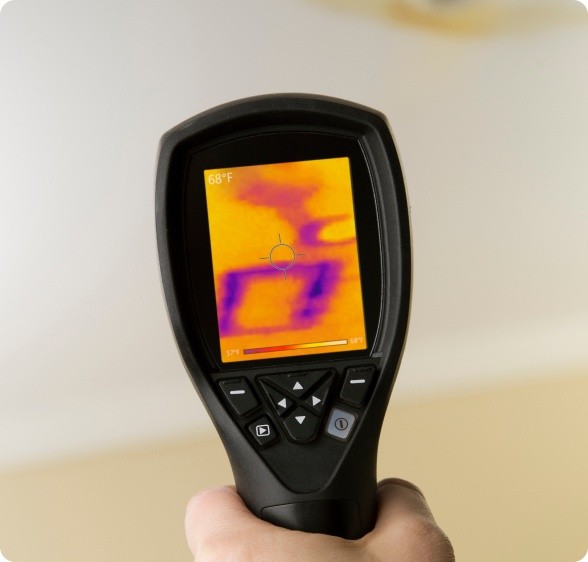
A thermal termite inspection is a non-invasive method of detecting termite activity using specialised infrared cameras. Instead of physically opening walls or relying solely on visual signs, pest control professionals use thermal imaging inspection tools to identify subtle temperature differences within building structures.
These temperature variations can indicate termite activity, moisture build-up, or hidden damage—areas where termites are most likely to thrive.
Unlike traditional inspections, which rely heavily on visible signs such as mud tubes or damaged timber, thermal imaging allows technicians to “see” behind surfaces without causing disruption to your property.
Learn more about this thermal imaging technology here.
How Does Thermal Imaging Detect Termites?
Heat and Moisture Signatures
Termites create small but detectable changes in temperature due to their metabolic activity and the moisture they introduce into timber. Infrared cameras pick up these anomalies, highlighting areas that may require further investigation.
Identifying Hidden Infestations
Thermal imaging is particularly effective at detecting termites in hard-to-reach areas, including:
- Wall cavities
- Ceilings and roof voids
- Subfloors
- Behind cabinetry or insulation
This makes it a powerful tool for uncovering infestations that would otherwise remain hidden.
The Inspection Process
If you’re wondering what to expect during a termite inspection, here’s how a typical thermal inspection works:
- Initial visual inspection of accessible areas
- Thermal scan using infrared cameras
- Identification of suspicious heat patterns
- Further testing (if required) using moisture meters or probes
- A detailed report outlining findings and recommendations
Book a professional termite inspection now!
Benefits of Thermal Termite Inspection
Using thermal imaging as part of your termite inspection offers several advantages:
1. Non-Invasive Detection
No need to drill holes or remove wall panels. Your home remains intact during the inspection.
2. Early Detection
Thermal imaging can identify termite activity before visible damage appears, saving you from costly repairs.
3. Faster and More Efficient
Large areas can be scanned quickly, making inspections more thorough in less time.
4. Safer for Occupants
No chemicals or destructive methods are used during the detection process.
5. Ideal for Australian Homes
With many Australian homes built using timber, thermal imaging is particularly effective in local conditions.
Limitations of Thermal Imaging for Termite Detection
While powerful, thermal imaging is not a standalone solution.
- It does not directly see termites, only the conditions they create
- Results depend heavily on the technician’s experience
- External factors like sunlight, weather, and insulation can affect readings
- It should always be combined with traditional inspection methods
This is why professional pest controllers use a comprehensive approach rather than relying on one tool alone.
Thermal Termite Inspection vs Traditional Methods
Understanding how a termite inspection is done helps highlight the value of combining techniques.
Visual Inspection
Technicians look for:
- Mud tubes
- Damaged timber
- Frass (termite droppings)
Pros: Simple and cost-effective
Cons: Limited to visible areas
Moisture Meters & Sounding Tools
Used to detect dampness and hollow timber.
Pros: Useful for confirmation
Cons: Requires physical contact
Thermal Imaging Inspection
Adds a layer of advanced detection.
Pros: Finds hidden activity early
Cons: Needs expert interpretation
Why a Combined Approach Works Best
The most effective termite inspections in Australia use multiple methods together, ensuring nothing is missed.
Is a Thermal Termite Inspection Worth It in Australia?
Short answer: Yes! Especially in high-risk areas.
Australia has some of the most aggressive termite species in the world, particularly in regions like Queensland, New South Wales, and Western Australia. Given the climate and prevalence of timber construction, the risk is significant.
So, is a termite inspection worth it when thermal imaging is included?
Cost vs Potential Damage
- Average inspection cost: a few hundred dollars
- Potential termite damage: thousands to tens of thousands
The investment in a thermal termite inspection is minimal compared to the cost of repairs.
Best Situations for Thermal Inspections
- Pre-purchase property inspections
- Annual termite checks
- Suspected hidden infestations
- Homes with previous termite history
Arrange a pre-purchase inspection!
When Should You Get a Thermal Termite Inspection?
You don’t need to wait until you see termites. In fact, prevention is far more effective.
Signs You May Need an Inspection
- Hollow-sounding timber
- Bubbling paint or warped walls
- Mud tubes along foundations
- Tight-fitting doors or windows
Preventative Maintenance
Experts recommend termite inspections at least once a year in Australia, especially in high-risk zones.
Check service availability in your area.
How Much Does a Thermal Termite Inspection Cost in Australia?
The cost of a thermal termite inspection can vary depending on several factors:
Typical Price Range
- $250 to $600+ depending on property size and complexity
Factors Affecting Cost
- Property size and layout
- Accessibility of inspection areas
- Location
- Level of technology used
While it may seem like an added expense, it’s a small price to pay for peace of mind and long-term protection.
Choosing the Right Thermal Termite Inspection Service
Not all inspections are equal. Choosing the right provider makes a significant difference.
What to Look For
- Licensed and insured pest control professionals
- Experience with thermal imaging inspection technology
- Detailed, easy-to-understand reports
- Knowledge of local termite species
- Transparent pricing
Contact a trusted local expert or call the professional.
Final Thoughts: Is Thermal Termite Inspection Worth It?
A thermal termite inspection is one of the most effective ways to detect hidden termite activity early—before it turns into costly structural damage. While it’s not a standalone solution, it plays a crucial role in modern, comprehensive termite inspections.
For Australian homeowners, where termite risk is high, investing in advanced detection methods isn’t just smart—it’s essential.
If you’re serious about protecting your property, combining thermal imaging with professional expertise offers the best possible defence.
Book Your Thermal Termite Inspection Today
Don’t wait until the damage is visible. Take proactive steps to protect your home with a professional inspection.
Get in touch today! Contact us or call us!