

Quality Services Guaranteed!

We’ll beat any legitimate quote!
Silverfish are small, wingless insects commonly found in Australian homes, particularly in areas with high humidity. While they don’t bite or pose direct health risks, silverfish can damage paper, books, clothing, and stored items — making them an unwelcome household pest. Understanding why they appear and how to eliminate them effectively is the first step towards long-term control.
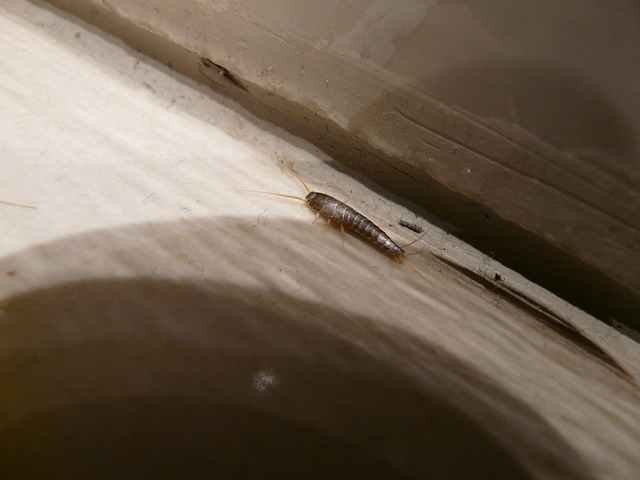
What Are Silverfish?
Silverfish (Lepisma saccharina) are small, wingless insects known for their silvery-grey colour, elongated bodies, and characteristic wiggling, fish-like movement when they crawl. These pests measure around 12–19 mm in length and have three tiny bristles at the end of their body that help distinguish them from other insects.
Silverfish have existed for hundreds of millions of years, making them one of the most ancient insect species on Earth — they even predate dinosaurs. Despite their long evolutionary history, they have changed little, which speaks to how well they adapt to different environments.
Unlike many pests, silverfish are nocturnal — meaning they are most active at night and usually retreat into dark, damp areas during the day.
Where Do Silverfish Come From?
Silverfish don’t just magically appear — they invade and thrive in environments that suit their needs. The main things that attract silverfish include:
1. Damp, Humid Areas
Silverfish are drawn to high moisture levels. Bathrooms, basements, kitchens, laundry rooms, and poorly ventilated storage spaces provide the humidity they need to survive.
2. Food & Shelter
Their diet consists of starchy materials and carbohydrates such as:
- Paper, glue and book bindings
- Wallpaper paste and cardboard
- Natural fibres like cotton, silk, linen
- Dry foods like cereal, flour, pasta and sugar crumbs
Dark, cluttered areas like stacks of old magazines, cardboard boxes, and unused furniture offer the perfect hiding places.
3. Entry Through Cracks & Gaps
Due to their small size and flexible bodies, silverfish can easily enter buildings through tiny cracks, gaps in walls, floorboards, vents, or poorly sealed doors and windows. Once inside, they stay close to humid, undisturbed spots.
Are Silverfish Harmful?
The short answer: silverfish aren’t directly dangerous to humans — they don’t bite, sting, or transmit diseases.
However, that doesn’t mean they’re harmless:
Damage to Property
Silverfish feed on materials containing starch and proteins, which means they can destroy books, wallpaper, documents, textiles and stored dry food. If infestation goes unnoticed, the cumulative damage can be significant, especially in homes with important paper-based items or clothing.
Contaminated Food
While they typically avoid fresh food, silverfish can contaminate dried pantry items such as flour, rice, cereal, and pasta — making them unsafe to eat.
Allergies Potential
Although rare, some people may experience allergic reactions due to silverfish shed skins, scales, or droppings, which can contribute to dust buildup in the home.
So while silverfish won’t bite you, ignoring them could still lead to costly damage and irritation.
Signs You Might Have Silverfish
Silverfish are experts at staying hidden, which means an infestation can grow for months before it becomes obvious. Knowing the early warning signs can help you act before serious damage occurs.
1. Live Silverfish Sightings
Seeing silverfish is one of the clearest indicators of an infestation. These insects are fast-moving and nocturnal, so they’re most commonly spotted:
- Late at night when lights are turned on
- In bathrooms, laundries, kitchens, and basements
- Along skirting boards, behind cupboards, or near drains
Frequent sightings — especially more than one at a time — often indicate that silverfish are breeding nearby, not just passing through.
2. Yellow Stains or Scales
Silverfish shed their outer skin multiple times as they grow. You may notice:
- Tiny, yellowish stains on walls or floors
- Fine silvery scales around hiding spots
These shed skins are often found in undisturbed areas such as behind appliances, inside cupboards, or beneath furniture.
3. Small Black Droppings
Silverfish droppings resemble tiny black pepper-like grains. They are commonly found:
- In corners of rooms
- Inside cupboards and drawers
- Near bookshelves or paper storage areas
Finding droppings usually means silverfish are feeding and nesting nearby.
4. Damage to Paper, Books & Wallpaper
Silverfish feed on starches and adhesives, making paper products a prime target. Signs of damage include:
- Irregular holes in books, magazines, and documents
- Chewed book bindings
- Wallpaper peeling, blistering, or showing bite marks along edges
This type of damage often worsens over time if silverfish activity goes unnoticed.
5. Holes in Clothing & Fabrics
Natural fibres such as cotton, linen, silk, and wool are attractive to silverfish, particularly if they contain food stains or sweat residue. You may notice:
- Small holes in stored clothing
- Fraying fabric edges
- Damage to curtains, upholstery, or carpets
Closets, storage boxes, and rarely used wardrobes are common hotspots.
6. Pantry Contamination
Although silverfish prefer paper and fabric, they will invade pantries if food is accessible. Warning signs include:
- Holes in food packaging
- Contaminated flour, rice, cereal, or pasta
- Silverfish found inside cupboards at night
Once they enter food storage areas, infestations can spread quickly.
7. Increased Activity in Damp Areas
Silverfish thrive in humid environments, so increased sightings near:
- Leaking pipes
- Poorly ventilated bathrooms
- Laundry rooms or under sinks
can indicate moisture problems that are attracting them and supporting their survival.
Why Early Detection Matters
The longer silverfish remain undetected, the more damage they can cause to personal belongings and household materials. Early identification allows you to:
- Reduce moisture and food sources
- Limit property damage
- Prevent a full-scale infestation
If you’re noticing multiple signs at once, it’s often a signal that DIY measures may not be enough and professional assessment could be necessary.
Why Silverfish Appear in Homes
Silverfish infestations are usually linked to environmental conditions rather than cleanliness alone. Common causes include:
- High indoor humidity (above 50%)
- Poor ventilation in bathrooms and laundries
- Leaking pipes or taps
- Excessive clutter, especially cardboard or paper storage
- Cracks and gaps in walls, floors, or skirting boards
Addressing these conditions is essential for effective control.
Step-by-Step: How to Get Rid of Silverfish
1. Reduce Moisture and Humidity
Silverfish thrive in moist environments.
- Fix leaking taps and pipes
- Improve airflow with exhaust fans
- Use a dehumidifier in damp rooms
- Dry wet laundry promptly
Lowering humidity is one of the most effective long-term solutions.
2. Clean and Declutter Regularly
Removing food sources and hiding spots can significantly reduce silverfish activity.
- Vacuum skirting boards, cupboards, and corners
- Store books, papers, and clothing in sealed containers
- Avoid keeping cardboard boxes in damp areas
- Clean shelves and storage spaces frequently
3. Seal Cracks and Entry Points
Silverfish often enter through small gaps.
- Seal cracks in walls and floors
- Repair damaged skirting boards
- Close gaps around pipes and vents
This helps prevent silverfish from spreading throughout the property.
4. Use Targeted Treatments
For active infestations, treatment may include:
- Silverfish baits placed along skirting boards
- Insecticidal dust in wall cavities or roof voids
- Residual sprays in affected areas
Always follow product instructions carefully to ensure safety and effectiveness.
Long-Term Silverfish Prevention Tips
Preventing silverfish is far more effective than repeatedly treating infestations. Because silverfish are drawn to moisture, darkness, and easily accessible food sources, long-term prevention focuses on changing the conditions that allow them to survive and reproduce.
Control Moisture and Humidity
Silverfish thrive in humid environments, making moisture management essential.
- Keep indoor humidity levels below 50%
- Use exhaust fans in bathrooms, kitchens, and laundries
- Install a dehumidifier in consistently damp areas
- Repair leaking pipes, taps, and drainage issues promptly
- Avoid leaving wet towels or laundry in enclosed spaces
Reducing moisture removes one of the main conditions silverfish need to survive.
Improve Ventilation Throughout the Home
Poor airflow creates ideal hiding places for silverfish.
- Open windows regularly to allow fresh air circulation
- Ensure roof spaces and subfloors are properly ventilated
- Avoid blocking vents with furniture or storage items
- Consider upgrading ventilation in older homes with persistent dampness
Well-ventilated spaces are far less attractive to silverfish.
Store Items Properly
Silverfish feed on starches and natural fibres commonly found in household items.
- Store books, paperwork, and important documents in airtight containers
- Use plastic storage tubs instead of cardboard boxes
- Keep clothing in sealed bags or containers, especially in storage areas
- Avoid storing paper or fabrics directly on floors or against walls
Proper storage removes both food sources and hiding spots.
Reduce Clutter in Dark Areas
Clutter provides shelter and makes silverfish harder to detect.
- Regularly declutter cupboards, wardrobes, and storage rooms
- Minimise storage in bathrooms and laundries
- Dispose of unused cardboard, magazines, and paper products
- Keep storage areas clean and organised
A tidy environment makes it easier to spot early signs of activity.
Seal Entry Points and Hiding Places
Silverfish can enter through very small gaps and cracks.
- Seal cracks in walls, floors, and skirting boards
- Close gaps around pipes, drains, and vents
- Repair damaged grout or loose tiles in bathrooms
- Ensure door and window seals are intact
Sealing these areas limits access and reduces infestation risk.
Maintain Regular Cleaning Habits
Consistent cleaning helps prevent silverfish from settling in.
- Vacuum skirting boards, corners, and under furniture regularly
- Clean shelves and storage spaces to remove food residues
- Avoid leaving crumbs or organic debris in hidden areas
- Pay special attention to rarely used rooms
Regular cleaning disrupts silverfish feeding and breeding cycles.
Monitor and Act Early
Early detection makes control far easier.
- Watch for silverfish activity at night
- Check humid areas regularly for signs of damage
- Address small issues before they become widespread infestations
Taking action early can prevent the need for extensive treatments later.
By maintaining an environment that is dry, well-ventilated, and clutter-free, you significantly reduce the likelihood of silverfish returning or establishing a new infestation.
When DIY Methods May Not Be Enough
DIY solutions can reduce activity, but silverfish often hide deep within wall cavities, roof spaces, and moisture-affected areas that are difficult to treat without professional tools.
You may need expert assistance if:
- Silverfish keep returning despite repeated treatments
- Damage to books, clothing, or stored items continues
- The infestation spreads across multiple rooms
- Moisture issues are difficult to locate or resolve
Professional Help for Persistent Silverfish Problems
If silverfish continue to appear despite preventative measures, professional pest control can provide a more effective, long-term solution. A licensed pest technician can identify hidden harbourage areas, apply targeted treatments safely, and recommend moisture control strategies to prevent reinfestation.
That’s where Knockdown Pest Control comes in:
Knockdown Pest Control offers:
- Expert assessment of silverfish infestations
- Tailored treatment plans to protect your home
- Safe, long-lasting solutions to prevent future problems
If you’ve tried the basics and silverfish are still a problem, contacting experienced professionals like Knockdown Pest Control can ensure your home stays silverfish-free.