

Quality Services Guaranteed!

We’ll beat any legitimate quote!
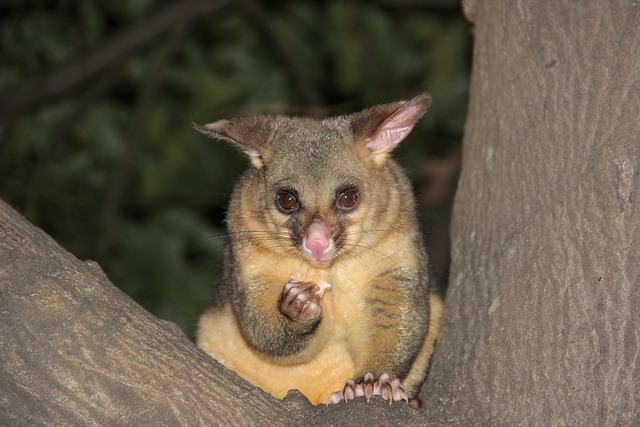
Knowing how to get rid of possums the right way is essential, as possums are protected under Australian wildlife laws and cannot be harmed or removed without following strict regulations. This means quick DIY fixes or aggressive removal methods are not only ineffective but can also lead to hefty fines.
In this guide, we’ll explain how to get rid of possums humanely and legally in Australia, including practical steps for removing possums from your roof or garden, preventing them from returning, and knowing when to call a licensed possum removal professional.
Why Possums Are a Problem in Australian Homes
Possums may be a protected native species, but that doesn’t mean they’re harmless when they move into residential properties. Across Australia, possums commonly seek shelter in roof cavities, wall spaces, garages, and gardens—especially in suburban areas where food and warmth are easy to find. Once they settle in, the problems can escalate quickly.
Constant Noise and Disturbed Sleep
One of the most common complaints from homeowners is the loud scratching, thumping, and running noises possums make at night. As nocturnal animals, possums are most active after dark, often using roof spaces as highways. Over time, this constant noise can disrupt sleep and become extremely stressful for households.
Damage to Roofs, Wiring, and Insulation
Possums can cause significant damage inside roof cavities. They often tear insulation apart to build nests, chew on timber structures, and sometimes gnaw on electrical wiring. This damage not only reduces energy efficiency but can also increase the risk of electrical faults and costly repairs.
Health and Hygiene Concerns
Possum droppings, urine, and nesting materials can create unpleasant odours and contaminate roof spaces. While possums themselves are generally not aggressive, the build-up of waste can attract insects and other pests, posing hygiene concerns for homeowners.
Destruction of Gardens and Outdoor Areas
In gardens, possums feed on flowers, leaves, vegetables, and fruit trees. Many Australian homeowners find their plants stripped overnight, despite fencing or netting. This can be particularly frustrating for those who have invested time and money into landscaping or maintaining a vegetable garden.
Recurring Problems if Not Handled Correctly
If possums are not removed properly and entry points are left open, they are likely to return—or new possums will move in. Because DIY attempts often overlook legal requirements and prevention measures, many households experience ongoing possum problems rather than a permanent solution.
Understanding why possums become such a nuisance highlights the importance of dealing with the issue humanely, legally, and effectively—which is exactly what we’ll cover in the next sections.
Are Possums Protected in Australia? (Important to Know)
Yes—possums are protected native animals in Australia, and it is illegal to harm, kill, or improperly relocate them. Under state and territory wildlife protection laws, possums are classified as protected fauna, which means any attempt to remove them must be done humanely and in accordance with strict regulations.
What the Law Says About Possum Removal
In most parts of Australia, you are not allowed to trap, poison, or kill possums under any circumstances. Even relocating a possum without approval can be illegal, as possums must be released within a limited distance of where they were found to ensure their survival. Heavy fines can apply for unlawful possum removal or mistreatment.
Why Possums Are Protected
Possums play an important role in Australia’s ecosystem, helping with seed dispersal and maintaining natural biodiversity. As urban development continues to reduce their natural habitats, possums increasingly turn to roof spaces and gardens for shelter. Protection laws exist to ensure these native animals are managed responsibly rather than harmed.
What Homeowners Are Allowed to Do
While you cannot harm possums, Australian laws do allow homeowners to:
- Use humane deterrents to encourage possums to leave
- Install one-way exit devices to remove possums from roof spaces
- Seal entry points after possums have vacated
- Engage a licensed possum removal professional to handle the process legally
Why Professional Possum Removal Is Often Necessary
Because the rules around possum control vary slightly between states and territories, many homeowners unknowingly break the law when attempting DIY removal. Licensed professionals understand local regulations and use approved methods to remove possums safely while preventing them from returning.
How to Get Rid of Possums Humanely
Because possums are protected native animals in Australia, the only legal and effective approach is humane possum removal. This means encouraging possums to leave your property safely, blocking access points, and preventing them from returning—without causing harm or distress.
1. Identify How Possums Are Entering Your Property
The first step in humane possum control is locating where possums are getting in. Common entry points include broken roof tiles, gaps in eaves, vents, loose flashing, and holes around gutters. Overhanging tree branches often act as easy access routes, allowing possums to jump straight onto roofs.
Carefully inspecting your roof and exterior walls helps ensure that all access points are identified before any removal steps are taken.
2. Encourage Possums to Leave Naturally
Before sealing entry points, possums must be encouraged to exit on their own. This can be done by making the space uncomfortable but safe:
- Leaving lights on in the roof cavity
- Using approved sound deterrents
- Placing strong-smelling natural repellents (such as garlic or camphor) near nesting areas
These methods discourage possums from staying without causing injury.
3. Install One-Way Possum Exit Devices
One-way possum doors are a widely approved method for humane removal. These devices allow possums to leave the roof space but prevent them from re-entering. Exit devices must be installed correctly and left in place for an appropriate period to ensure all possums have safely exited.
This step is critical—installing exit devices too early or incorrectly can trap possums inside, which is both illegal and inhumane.
4. Seal Entry Points and Repair Damage
Once it’s confirmed that all possums have left, entry points should be sealed immediately. This includes repairing roof tiles, closing gaps, reinforcing vents, and securing eaves. Sealing access points prevents possums—or other pests—from returning in the future.
5. Use Humane Possum Deterrents
To discourage possums from coming back, humane deterrents can be used around roofs and gardens. Motion-activated lights, water sprays, and approved possum repellent products can be effective when used consistently. Removing food sources such as fallen fruit or unsecured rubbish also helps reduce attraction.
6. Seek Professional Help When Needed
Humane possum removal requires patience, proper timing, and knowledge of local regulations. Licensed possum removal professionals understand Australian wildlife laws and use proven methods to remove possums safely while protecting your home long term.
Using humane techniques not only keeps you compliant with the law but also delivers a more permanent solution.
How to Get Rid of Possums in the Roof
Possums living in the roof are one of the most common and disruptive pest issues faced by Australian homeowners. Roof cavities provide warmth, shelter, and protection from predators, making them an ideal nesting spot. If left untreated, possums in the roof can cause ongoing noise, damage, and hygiene problems.
Signs You Have Possums in Your Roof
Before taking action, it’s important to confirm possum activity. Common signs include:
- Loud scratching, thumping, or running noises at night
- Strong odours coming from the roof space
- Torn insulation or nesting materials
- Droppings around roof voids or entry points
Identifying the problem early helps prevent further damage.
Step-by-Step: Removing Possums from the Roof
The safest and most effective way to remove possums from roof spaces involves a structured process:
1. Locate Entry Points
Inspect your roof for broken tiles, gaps in eaves, vents, or flashing. Overhanging tree branches often allow possums to access the roof easily.
2. Encourage Possums to Leave
Use non-harmful deterrents such as lights or sound inside the roof cavity to make the space uncomfortable. This encourages possums to exit naturally without distress.
3. Install One-Way Exit Devices
One-way possum doors allow possums to leave the roof but prevent re-entry. These devices must be installed correctly and left in place long enough to ensure all possums have exited safely.
4. Seal and Repair the Roof
Once the roof is confirmed to be possum-free, all entry points should be sealed immediately. Repair damaged tiles, close gaps, and reinforce vents to prevent future access.
Why DIY Roof Possum Removal Often Fails
Many homeowners unknowingly make mistakes such as sealing entry points too early, using illegal deterrents, or missing secondary access points. These errors can trap possums inside the roof, leading to further damage, unpleasant odours, and potential legal consequences.
How to Get Rid of Possums in the Garden
Possums are frequent visitors to Australian gardens, attracted by easy access to food, shelter, and climbing paths. While they may only appear at night, the damage they cause to plants, flowers, vegetables, and fruit trees can be extensive. The key to dealing with garden possums is using humane and legal deterrent methods that discourage them from staying or returning.
Protect Plants and Trees
One of the most effective ways to reduce possum damage is to physically protect plants. Netting fruit trees, covering vegetable patches, and using tree guards can help prevent possums from feeding. Make sure netting is installed securely and does not trap or injure wildlife.
Remove Food Sources
Possums are opportunistic feeders. Fallen fruit, uncovered compost, pet food left outside, and open rubbish bins can quickly attract them. Regularly clearing food sources reduces the appeal of your garden and encourages possums to move elsewhere.
Use Motion-Activated Deterrents
Motion-activated lights, sprinklers, and water sprays can be very effective garden deterrents. Possums dislike sudden light and movement, and repeated exposure often causes them to avoid the area altogether.
Apply Natural and Commercial Repellents
There are various possum deterrent sprays and natural repellents available that can be applied to plants and garden surfaces. These products work by producing smells or tastes that possums find unpleasant. Reapplication may be needed, especially after rain.
Trim Trees and Access Points
Overhanging branches and fences often provide possums with easy access to gardens and roofs. Trimming branches away from buildings and reducing climbing paths can significantly limit their movement and discourage repeat visits.
Avoid Illegal or Harmful Methods
Poisons, traps, and harmful chemicals are illegal and dangerous—not just to possums but also to pets and other wildlife. Blocking access to shelter without ensuring possums have left can also cause serious harm and legal issues.
When Garden Deterrents Aren’t Enough
If possums continue to return despite deterrents, the issue may be linked to nearby roof access or nesting areas. In these cases, engaging a licensed possum removal professional can help address both the garden activity and the source of the problem.
What NOT to Do When Trying to Remove Possums
When dealing with possums, many homeowners make well-intentioned mistakes that can worsen the problem or even lead to legal trouble. Because possums are protected native animals in Australia, it’s just as important to know what not to do as it is to know how to get rid of possums properly.
Do NOT Use Poisons or Lethal Traps
Using poisons, baits, or lethal traps on possums is illegal across Australia. These methods cause unnecessary suffering, pose serious risks to pets and other wildlife, and can result in significant fines. Poisoned possums may also die inside roof spaces, creating severe odour and hygiene issues.
Do NOT Attempt to Relocate Possums Yourself
Relocating possums without approval is against the law. Possums have strong territorial instincts, and releasing them too far from their original habitat significantly reduces their chances of survival. Even trapping and releasing a possum a short distance away may still be illegal, depending on your state or territory.
Do NOT Seal Entry Points Too Early
One of the most common mistakes homeowners make is blocking roof access points before possums have fully exited. This can trap possums inside the roof cavity, leading to frantic behaviour, increased damage, and potential harm to the animal—especially if young are present.
Do NOT Use Harmful DIY Repellents
Some DIY remedies found online involve chemicals or substances that can injure possums, contaminate roof spaces, or damage property. If a deterrent isn’t wildlife-safe and approved for possum control, it should be avoided.
Do NOT Ignore the Root Cause
Removing a possum without addressing access points, food sources, or shelter issues almost guarantees the problem will return. Possums will re-enter through the same gaps—or new possums will move in—if the property is not properly proofed.
Do NOT Assume It’s a One-Time Fix
Possum activity often indicates a broader issue with roof condition or garden access. Treating possum removal as a quick fix rather than a complete solution can result in ongoing noise, damage, and repeated infestations.
When to Call a Professional Possum Removal Service
While minor possum activity can sometimes be managed with basic deterrents, there are many situations where calling a licensed professional is the safest, fastest, and most effective option. Because possums are protected under Australian wildlife laws, professional help ensures the problem is resolved legally, humanely, and permanently.
Signs You Need Professional Possum Removal
You should consider professional possum removal if:
- Possums keep returning despite DIY deterrents
- Loud scratching or thumping continues in the roof at night
- There is visible damage to roof tiles, insulation, or wiring
- Strong odours or droppings are present
- You’re unsure where possums are entering your home
- Young possums (joeys) may be involved
These situations often require specialist knowledge, correct timing, and approved removal methods to avoid harming the animals or breaching the law.
Professional possum removal services understand state-specific wildlife regulations and use approved techniques such as one-way exit devices, roof proofing, and long-term deterrents. More importantly, they don’t just remove the possums—they address the root cause of the problem to prevent future infestations.
Knock-Down Pest Control – Humane & Legal Possum Control
If you’re dealing with persistent possum problems, Knock-Down Pest Control offers professional, fully compliant possum control services across Australia. Our experienced team specialises in:
- Humane possum removal
- Roof inspections and entry point identification
- Installation of one-way exit devices
- Roof proofing and prevention solutions
By using proven, wildlife-safe methods, Knock-Down Pest Control helps protect both your home and Australia’s native wildlife.
Learn more or book a professional possum control service here