
Quality Services Guaranteed!

We’ll beat any legitimate quote!
Ant Infestations in Sydney Homes: Types, Causes, and the Best Ways to Eliminate Them
Ants invade Sydney homes to find food, water and shelter, and every ant you see is a forager for a colony of thousands hidden nearby. Warm weather and heavy rain from spring through autumn push that foraging indoors.
TL;DR: Black house ants, Argentine ants and carpenter ants are the species most often found inside Sydney homes. DIY sprays usually fail because they kill visible foragers while the queens survive, and repellent sprays can split Argentine ant colonies into more nests. White ants are not ants at all: they are termites, and they need a termite inspection, not ant spray. Start by finding where the trail enters your home.
Common Ant Species Found in Sydney Homes
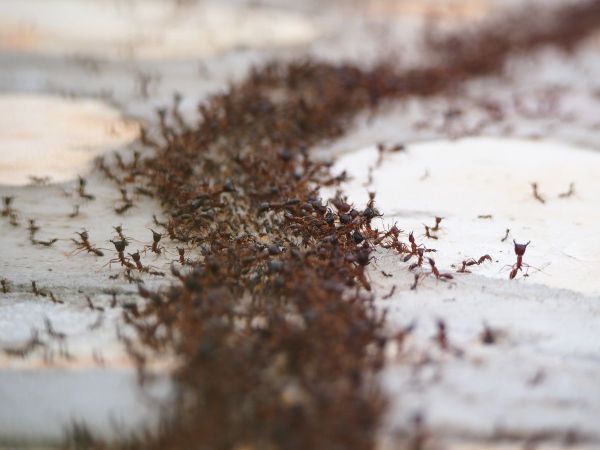
The ants most often found in Sydney homes are black house ants, Argentine ants and carpenter ants such as the banded sugar ant. "White ants" are a different problem entirely, because they are termites.
| Ant Species | Appearance | Colony Size | Why It Enters Homes | Difficulty to Eliminate |
|---|---|---|---|---|
| Black house ant (black garden ant) | Shiny jet black, 2.5 to 3 mm | Thousands of workers, often several queens | Sweet food, water, wall nesting space | Moderate |
| Argentine ant | Light to dark brown, 2 to 3 mm | Linked nests with hundreds of queens | Sugar, protein and water, especially after rain | Very high |
| Carpenter ant (banded sugar ant) | 4 to 16 mm, black head, orange-brown band | Usually one queen, hundreds to thousands of workers | Sweet food at night, damp timber | Moderate to high |
| White ant | Not an ant. "White ants" are termites, which eat timber. Book a termite inspection, not an ant treatment. | |||
Black Garden Ants: Most Common in Sydney
- What it looks like: Shiny, jet-black ants 2.5 to 3 mm long, also called black house ants.
- Where it nests: Under garden stones and logs, and inside wall cavities, pot plants and even kettles and microwaves.
- Why it enters homes: Sweet food. Outdoors, they farm aphids and scale insects for honeydew.
- How hard it is to eliminate: Moderate. Colonies often have several queens, so surface sprays rarely finish the job.
Argentine Ants: Hardest to Eliminate
- What it looks like: Light to dark brown, 2 to 3 mm long, travelling in dense, steady trails.
- Where it nests: Shallow nests in moist soil, under pavers and mulch, and in wall voids. CSIRO notes they form supercolonies containing hundreds of queens.
- Why it enters homes: Food and water. Heavy rain drives them indoors in huge numbers.
- How hard it is to eliminate: Very high. With hundreds of queens spread across linked nests, killing one nest barely dents the colony.
Carpenter Ants: Risk to Timber Structures
- What it looks like: Sydney's best-known carpenter ant is the banded sugar ant: 4 to 16 mm long, with a black head and an orange-brown band on the abdomen.
- Where it nests: Soil, paving, tree roots and holes in damp or decaying timber.
- Why it enters homes: Sweet food, mostly at dusk and overnight.
- How hard it is to eliminate: Moderate to high. They chew into softened timber rather than eating it, so damage usually points to a moisture problem.
White Ants vs. Termites: The Critical Difference
White ants and termites are the same insect: "white ant" is a common Australian name for termites, and termites are not ants at all. CSIRO research shows termites are more closely related to cockroaches than to ants.
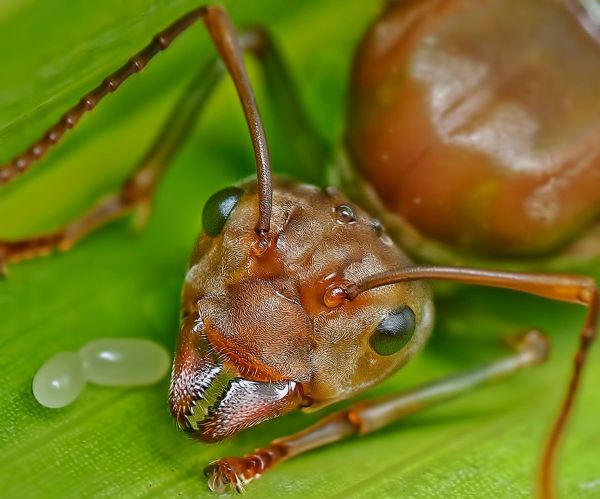
Here is how to tell them apart:
- Body: Termites are pale cream and soft-bodied, with a thick waist. Ants are darker and have a narrow, pinched waist.
- Antennae: Termite antennae are straight and beaded. Ant antennae bend like an elbow.
- Wings: Flying termites have four wings of equal length. Flying ants have larger front wings than back wings.
Ants are mostly a nuisance. Termites eat the timber inside your walls and floors, often unseen. Most Australian home insurance policies exclude termite damage, so white ant control in Sydney starts with an inspection.
Spraying "white ants" with ant spray can push termites to another part of the house, making the colony harder to find and treat. If you are not sure whether you have ants or termites, book a termite inspection before treating for ants.
Why Are Ants Invading Your Home? Common Causes
Ants invade when a scout finds food, water or shelter and lays a scent trail for the colony to follow. In Sydney, weather changes are the most common trigger.
Food and Moisture Sources
Sugar, crumbs, pet food and grease are obvious draws, and leaking taps attract ants in dry spells. One scout that finds food can lead thousands of workers to it within hours.
Seasonal Triggers (Spring and Summer in Sydney)
Ant colonies grow fastest from September to March, when queens lay more eggs and the colony needs more food. That is why an ant infestation in a Sydney house often starts in spring.
Heavy rain floods shallow nests, and hot, dry spells send foragers looking for water. Winged ants also swarm on warm, humid days after rain, so check their wings: flying termites swarm in the same conditions.
Entry Points and Nest Locations
Ants enter through gaps around windows, door seals, skirting boards and pipes. Many trails start at a nest under pavers, in a garden bed or in a pot plant by the door. Follow the trail back and you will usually find a nest within a few metres of your home.
Why DIY Ant Treatments Fail (and Make It Worse)
DIY ant treatments fail because they kill the foragers you can see, while the queens and most of the colony survive in the nest. The colony replaces lost workers, and the trail returns within days.
Foraging workers are generally estimated to make up only 10 to 20 per cent of a colony. The queens, eggs and larvae stay in the nest, where surface sprays never reach.
DIY efforts can also make the problem worse:
- Repellent sprays split colonies. When a multi-queen Argentine ant nest is sprayed, queens and workers move out and start new nests nearby, a process called budding. One nest becomes several.
- Fast-acting baits kill too quickly. Bait must reach the queens. If it kills workers on the spot, it never gets back to the nest.
- Spraying near baits ruins them. Ants avoid bait contaminated with insecticide.
- The wrong bait gets ignored. Colonies switch between sugar and protein as their needs change, so a sweet bait can sit untouched.
Professional treatment works the opposite way: slow-acting, non-repellent products that foragers carry home to the queens.
Ants come back because the colony survives. Our professional treatment targets the source, not just the trail. Book an ant treatment in Sydney today.
How Professional Ant Control Works in Sydney
Professional ant control identifies the species, finds the nests, and uses slow-acting products that ants carry back to the queens. A good Sydney ant exterminator aims to collapse the colony, not just clear the trail.
Knock Down has handled ant pest control in Sydney for more than 20 years, across over 10,000 homes. Our licensed technicians use WHO- and Ministry of Health-approved products across Canterbury-Bankstown, Belmore, Lakemba and the North Shore.
Gel Baiting vs. Chemical Perimeter Treatment
Gel baiting places slow-acting bait along trails and near nests. Workers share it mouth-to-mouth with the rest of the colony, including the queens. It suits kitchens and bathrooms.
Perimeter treatment applies a non-repellent product around foundations and entry points. Ants cannot detect it, so they carry it back to the nest without triggering colony splitting.
Most stubborn infestations, especially Argentine ants, need both methods together.
Colony Elimination: Not Just Surface Spraying
Effective treatment for ants in a Sydney house starts at the nest. A technician traces trails to every reachable nest, confirms the species, and matches the bait to what the colony is eating. Expect activity to drop within days and the colony to decline over the following weeks.
When to call a professional:
- Ants return within two weeks of DIY treatment.
- Trails appear in several rooms or come from inside walls.
- You find damaged timber or are unsure whether you have ants or termites.
Our residential ant control service pairs well with general pest control.
Prevention: Keeping Ants Out of Your Sydney Home
To keep ants out, remove what attracts them and seal the gaps they use. Prevention works best once the existing colony is treated.
- Seal gaps around windows, doors, pipes and skirting boards.
- Store sugar, cereals and pet food in airtight containers.
- Wipe benches daily, pick up pet bowls overnight, and fix leaking taps.
- Keep mulch and garden beds at least 30 cm back from the house.
- Control aphids and scale on garden plants, which ants farm for honeydew.
FAQ: People Also Ask
Why do I suddenly have ants in my house?
A sudden ant invasion usually means a scout found food or water inside and laid a scent trail for the colony. In Sydney, this often follows heavy rain or a hot, dry spell. The nest is usually close by, under pavers, in a garden bed or inside a wall.
What is the fastest way to get rid of ants in the house?
The fastest lasting fix is to remove the food source, stop spraying, and place slow-acting gel bait where the trail enters. Sprays kill visible ants in minutes but rarely reach the queens. Professional treatment pairs gel baiting with a non-repellent perimeter treatment to eliminate the colony.
Are white ants the same as termites in Australia?
Yes. "White ants" is a common Australian name for termites, and termites are not ants at all. CSIRO research shows termites are more closely related to cockroaches. Termites eat timber and cause structural damage, so suspected white ants need a termite inspection.
How much does ant pest control cost in Sydney?
Ant treatments with Knock Down Pest Control start from $120 for a Sydney home. The final price depends on property size, the ant species and how widespread the activity is. Argentine ant infestations and larger properties usually cost more because they need more bait and perimeter coverage.
How long does ant treatment last?
A professional ant treatment typically protects a Sydney home for around three to six months, depending on rainfall, garden watering and the species involved. Gel baits usually reduce activity within days. Argentine ant infestations may need a follow-up visit.
Can ants damage my home?
Most ants are a nuisance rather than a structural threat. Carpenter ants such as the banded sugar ant can chew into damp or decaying timber, and black house ants can nest inside walls and electrical appliances. If you find damaged timber, rule out termites first, because termites cause far more serious damage.
What attracts ants inside during summer?
Ants come inside in summer for water, sugar and protein to feed their growing colonies. Hot, dry weather dries up outdoor sources, and summer storms flood shallow nests. Crumbs, pet food, damp sink cabinets and leaking taps are the most common indoor draws.
Worried about white ants? Get a termite inspection at the same time. Call 1300 262 463 or get a free quote online.